CANNABIS & DRIVING
A 7 minute animation depicting dangers behind taking cannabis and driving, done in collaboration with CAMH, with Dr. Patricia DiCiano and Dr. Christine Wickens, and supervised by Dr. Jodie Jenkinson. The animation uses multiple different styles of animation to explore molecular interactions, observed effects when taking cannabis and driving, and reading cannabis labels.
Type: 2D and 3D animation
Tools: Adobe Illustrator, Adobe After Effects, Adobe Premiere Pro, Autodesk Maya, Zbrush
Completion: July 2026
PROCESS WORK
This project highlights a full animation pipeline process from start to finish. Includes script writing, to storyboarding, to modelling and animation, and editing.
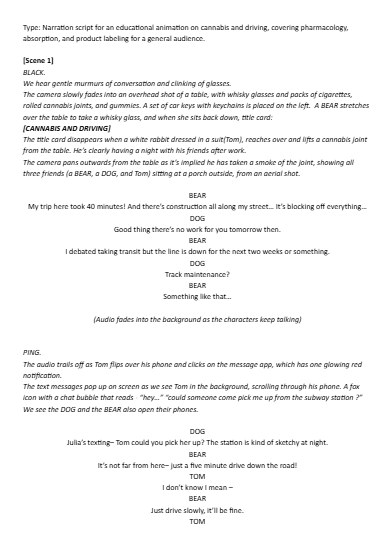
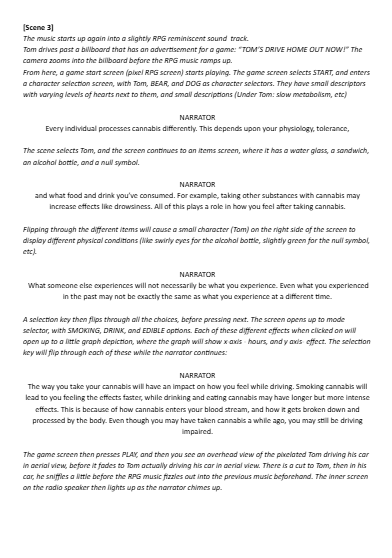
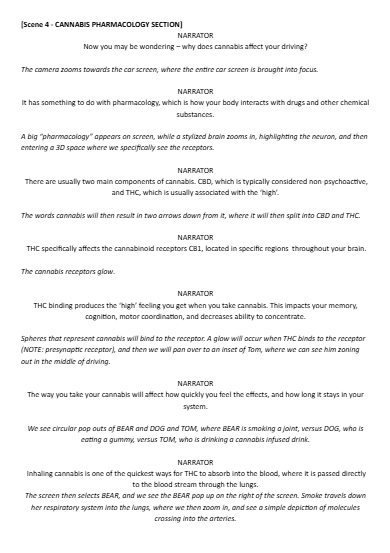
A comprehensive script detailing stage directions, character movement, particle movement, and sound effects is written prior to beginning the project.
The script was revised with the help of Dr. Patricia DiCiano and Dr. Christine Wickens, experts in the study of Pharmacology and Toxicology.
01. SCRIPTING
02. STORYBOARDING
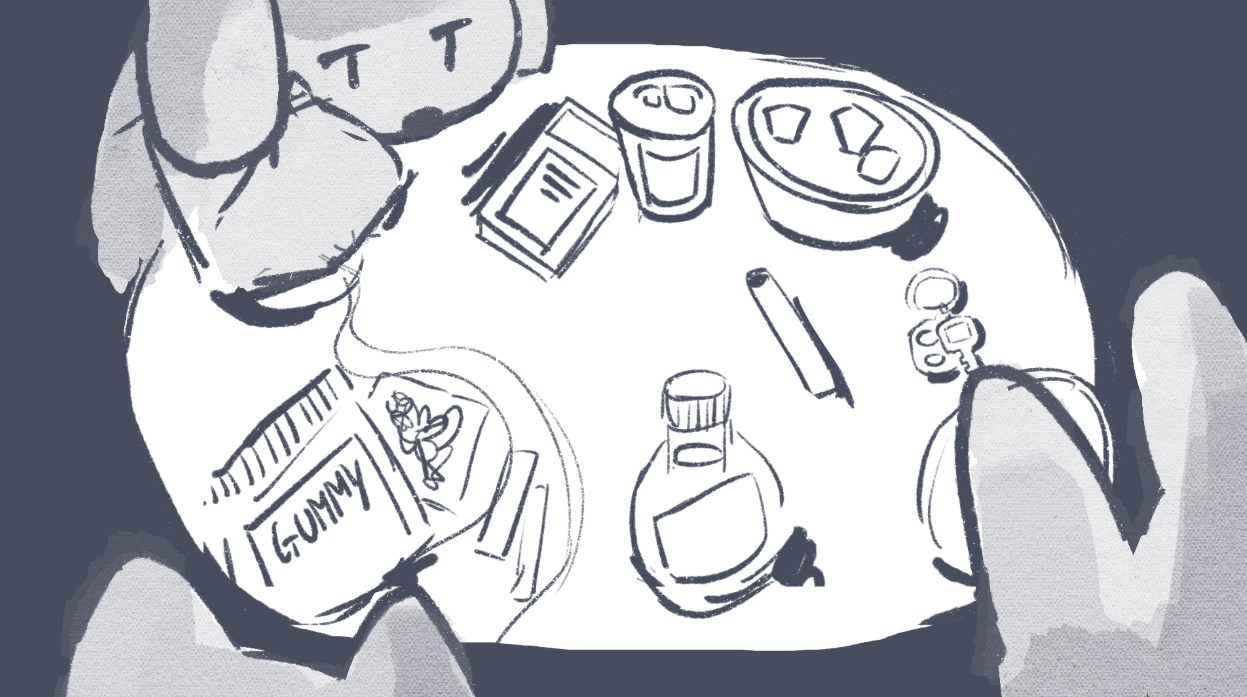
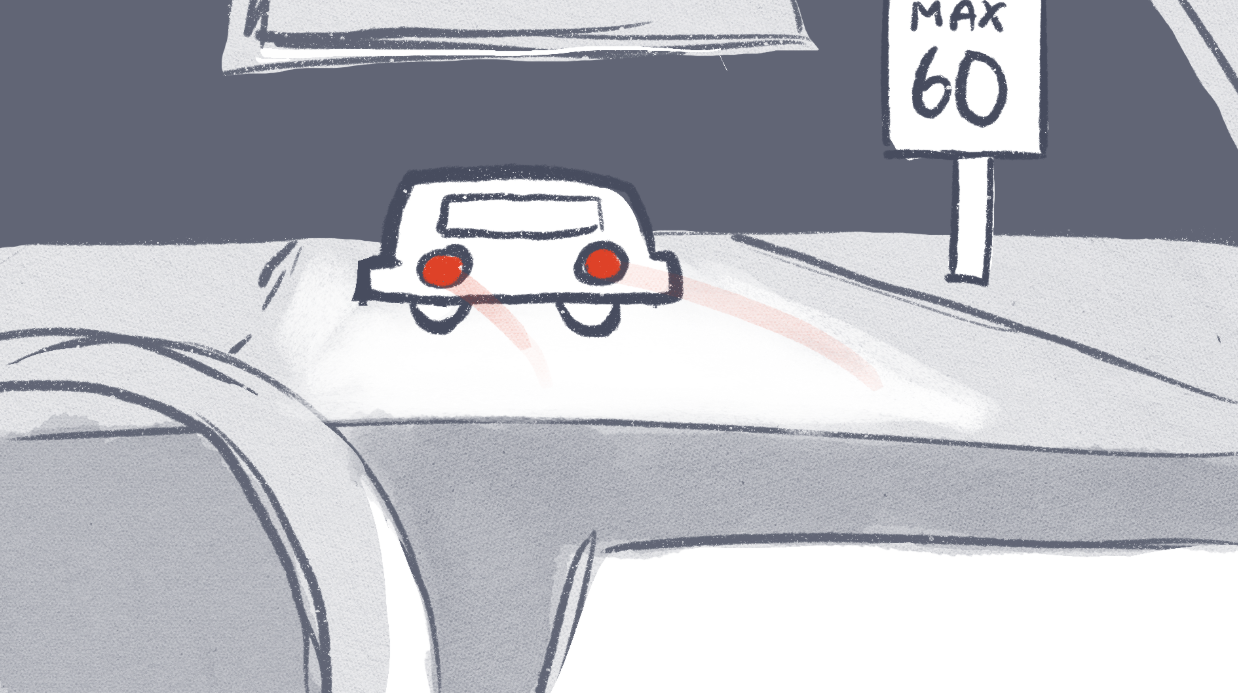
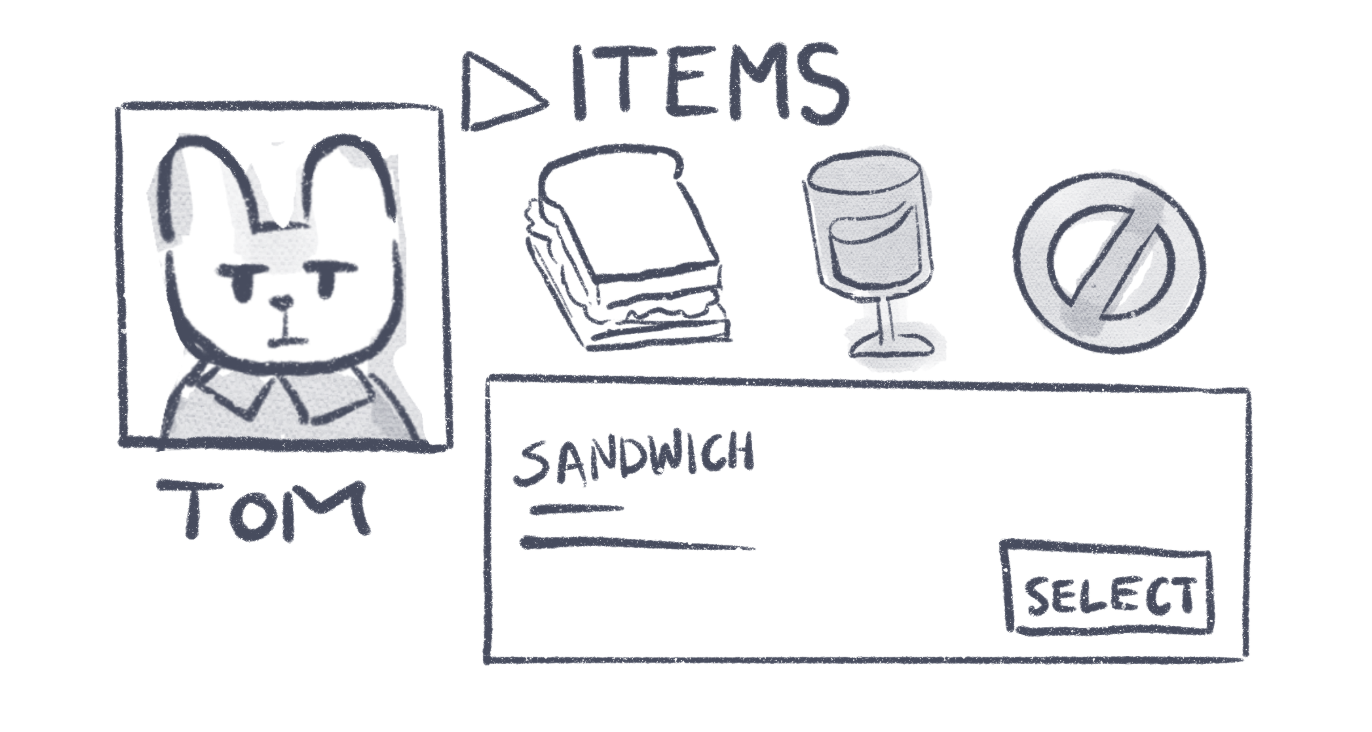
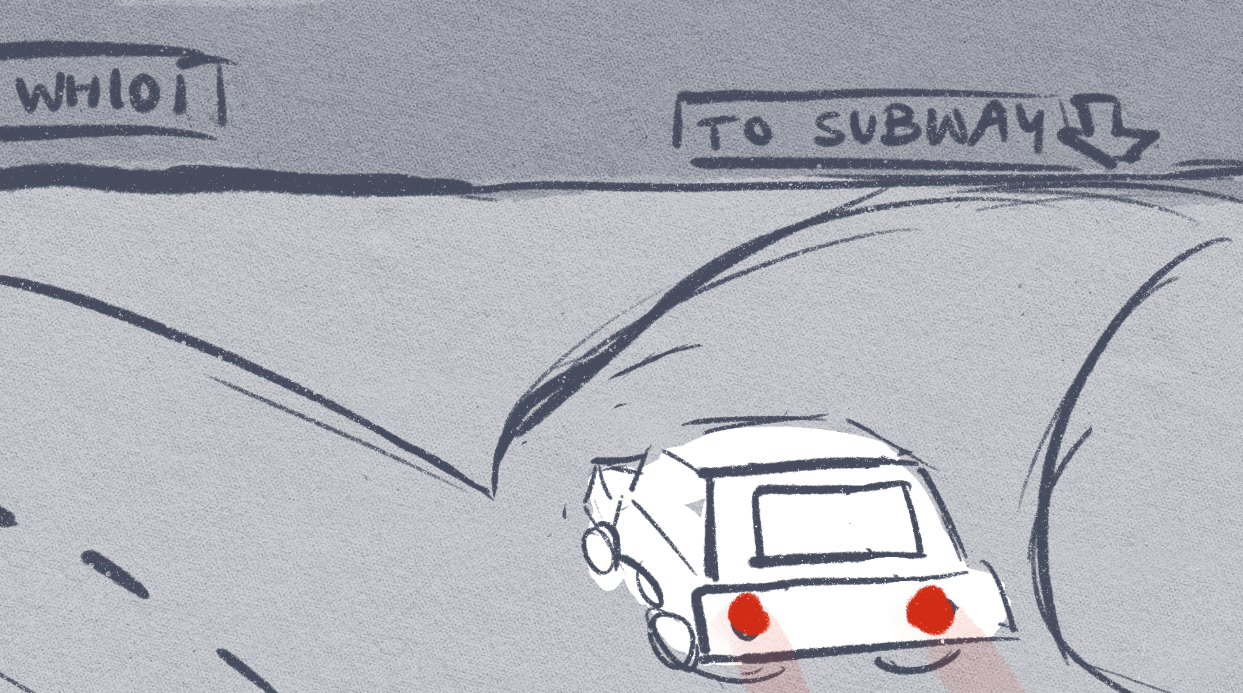
A selection of my storyboards for the animation. Each storyboard was timed to the script, and set to scratch narration. Professional voice actors were selected, and their audio was later used during production and the final product.
03. CHARACTER DESIGN & MODELLING
Characters were chosen to be animals to reduce implication that cannabis use may be tied to a certain race, age, or gender. Thus, the audience retains emotional connection, while avoiding accidental biases. Four characters total were designed, modeled, and rigged for this project.
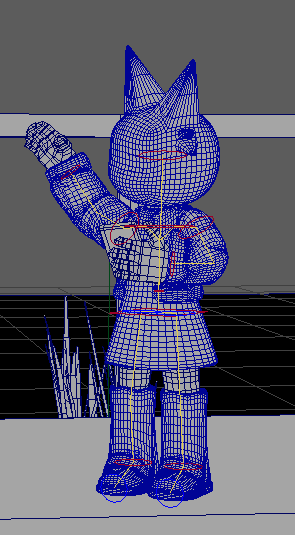
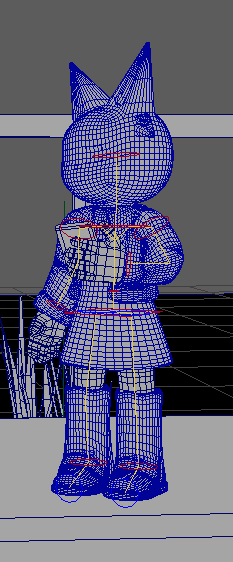
Below is a carousel showing the full process from character design sheet, to modelling in Maya, to rigging.
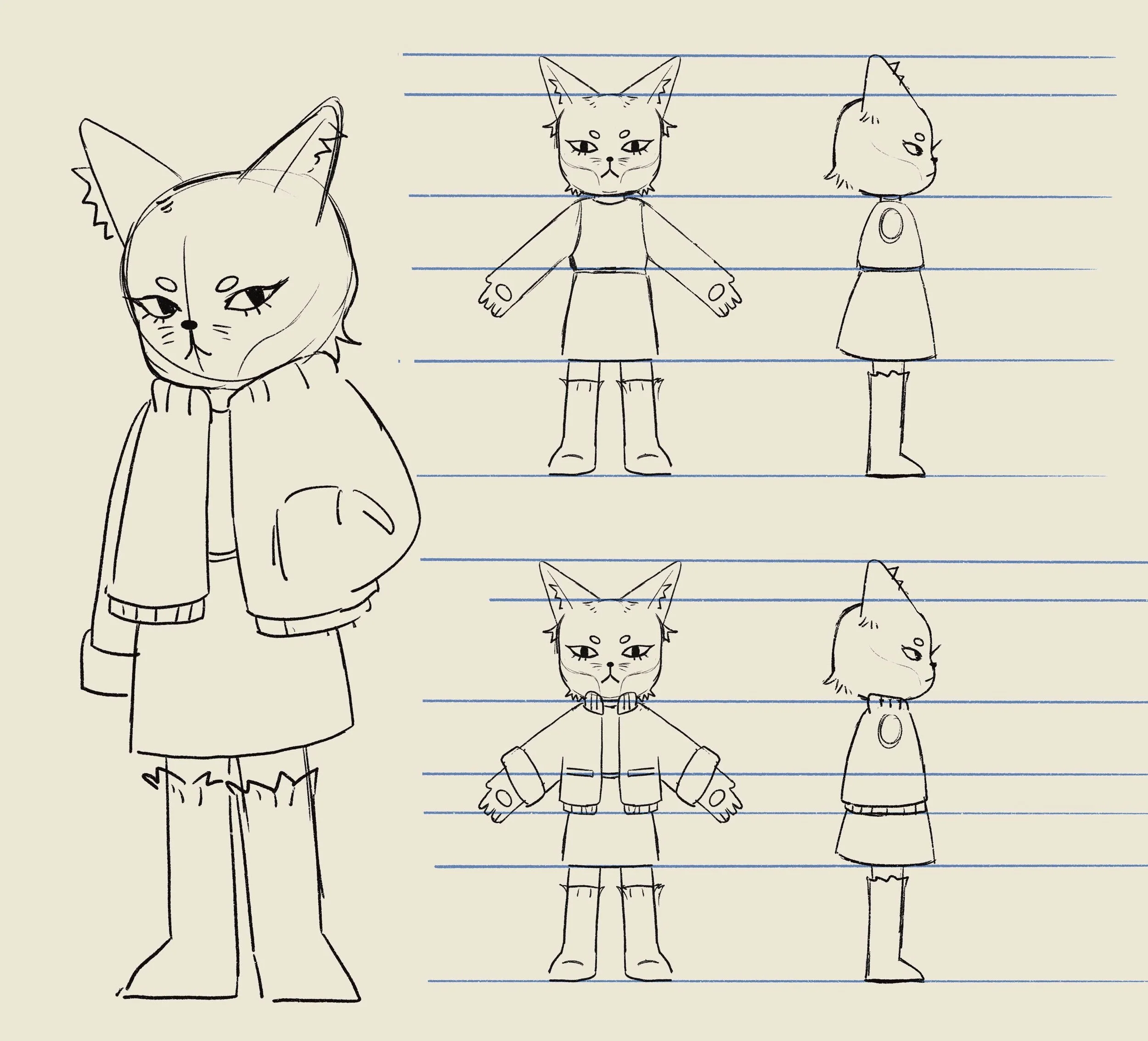
Character turnaround sheet.
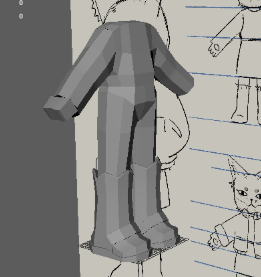
Blocking and modelling
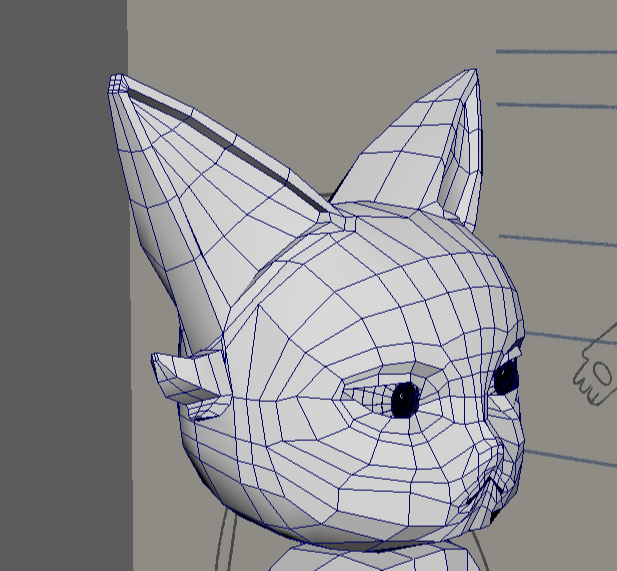
Face modelling
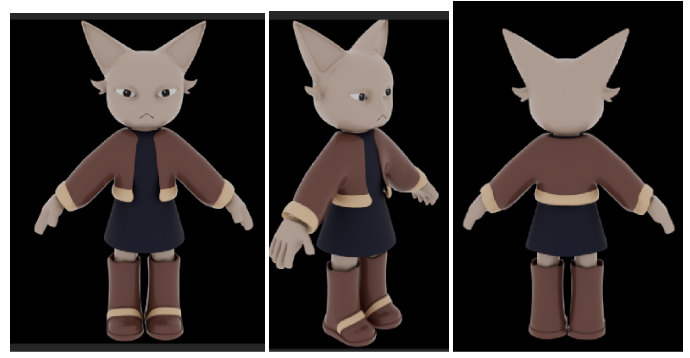
texturing
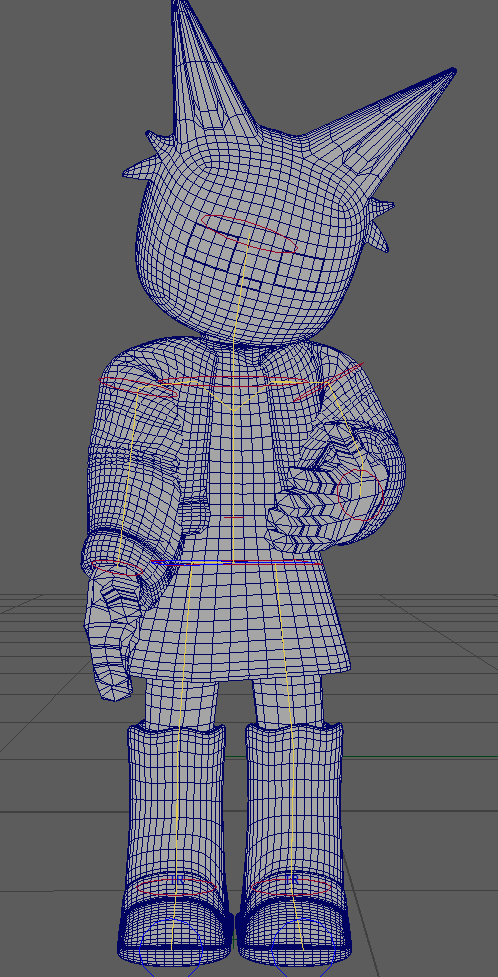
Rigging set up
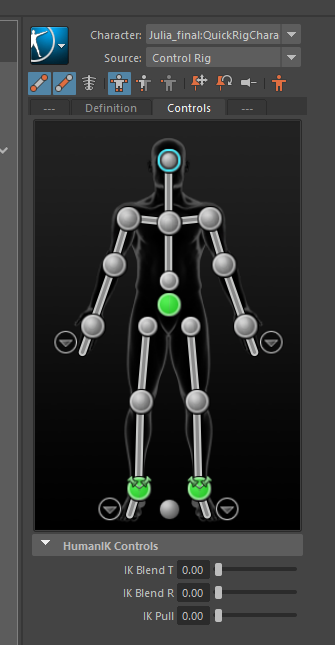
Rigging skeleton
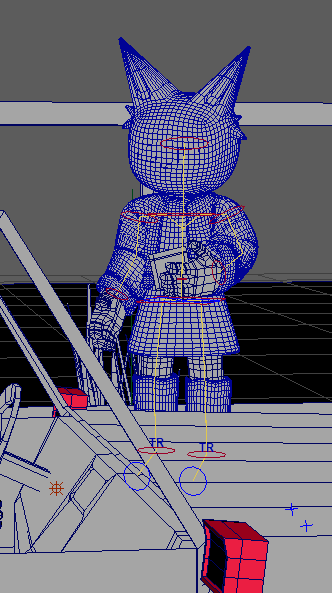
animation
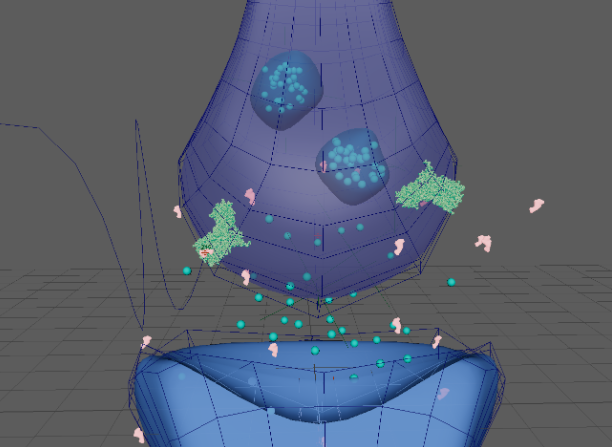
Molecules were cleaned up using chimeraX, brushed up and retopologized in Zbrush, and imported into Maya for animation. Neurons and nerve endings were modelled directly in Maya.
04. MOLECULAR ANIMATION
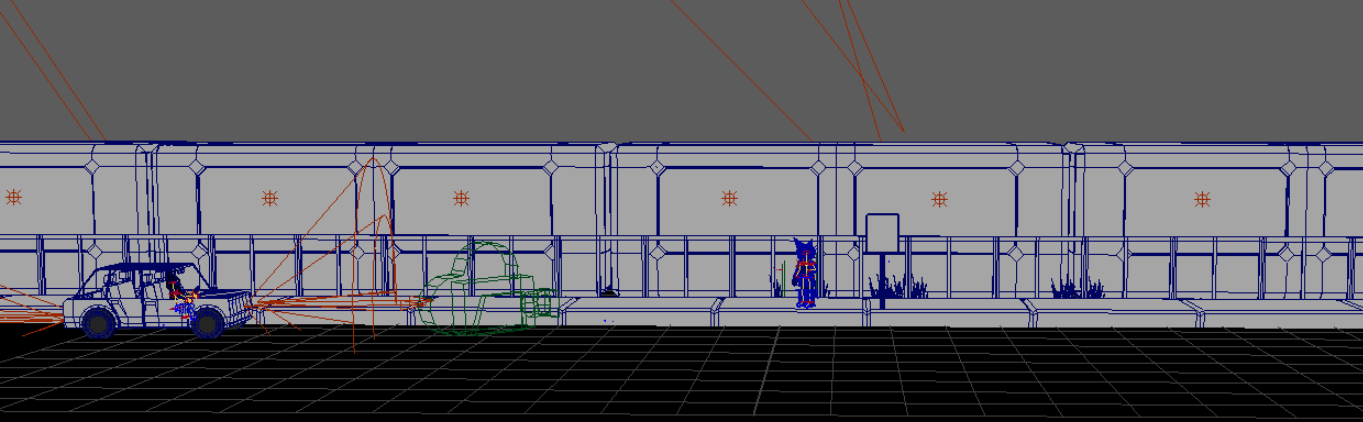
Environments were modelled in Maya and composited in Adobe After Effects. Backgrounds were painted. UV maps were exported and painted before placing back onto models. Lights were placed in the scene to simulate train light, car lamp lights, and night lights.
Below is one example of a scene set up.
05. ENVIRONMENT CREATION
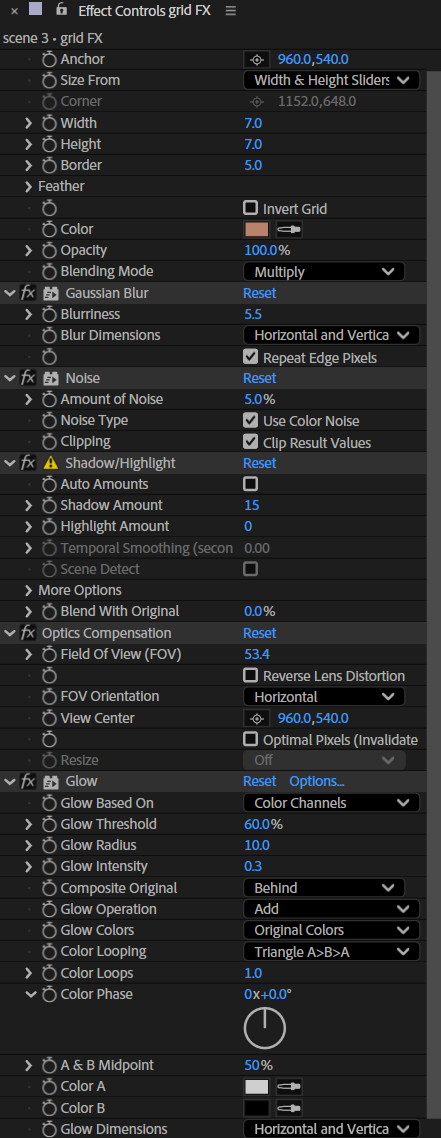
Adobe After Effects was used to create motion graphics and animate the 2D segments of the animation.
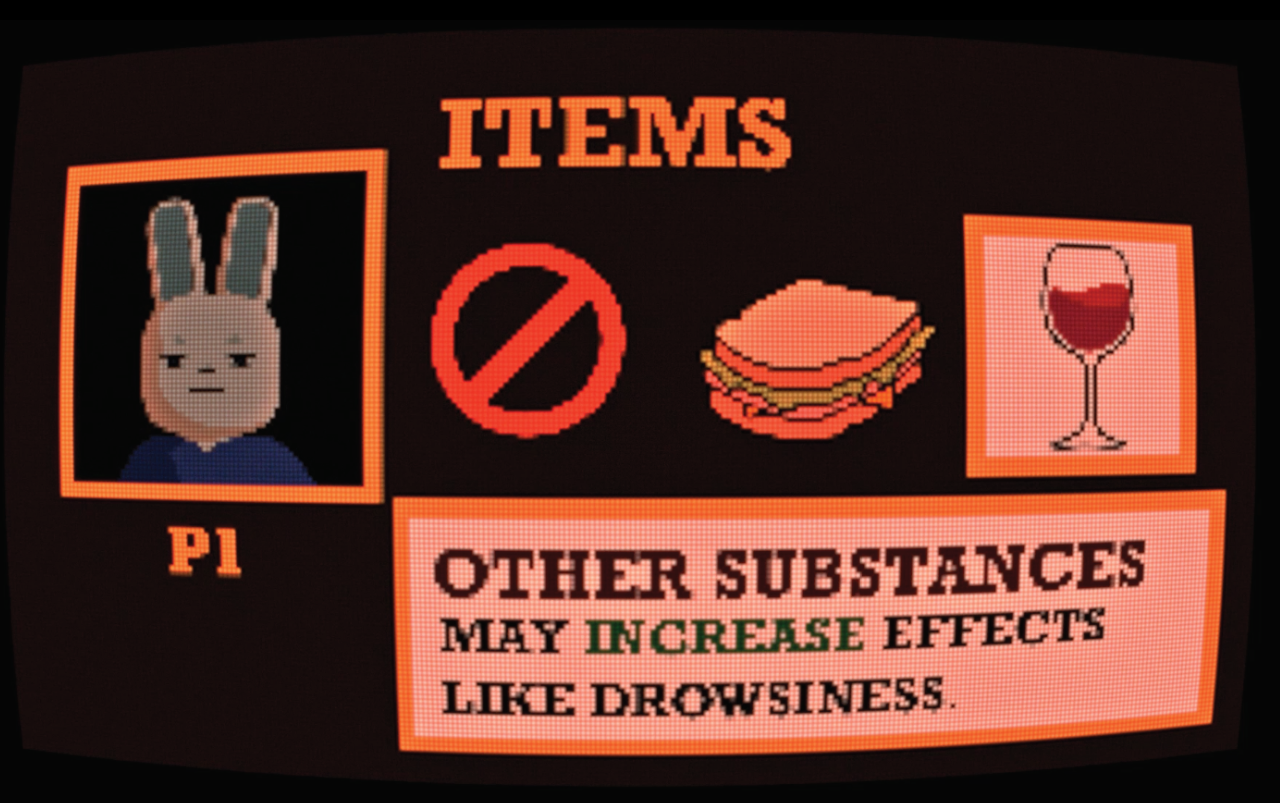
On the side are the settings edited to create the video game motion graphics of the second scene. You can see the effect that these settings have created: a screen warp and pixelation to mimic an old TV screen, and yellowing and glow to mimic a screen in the dark.
06. 2D ANIMATION & EDITING
07. DIFFERING ANIMATION STYLES
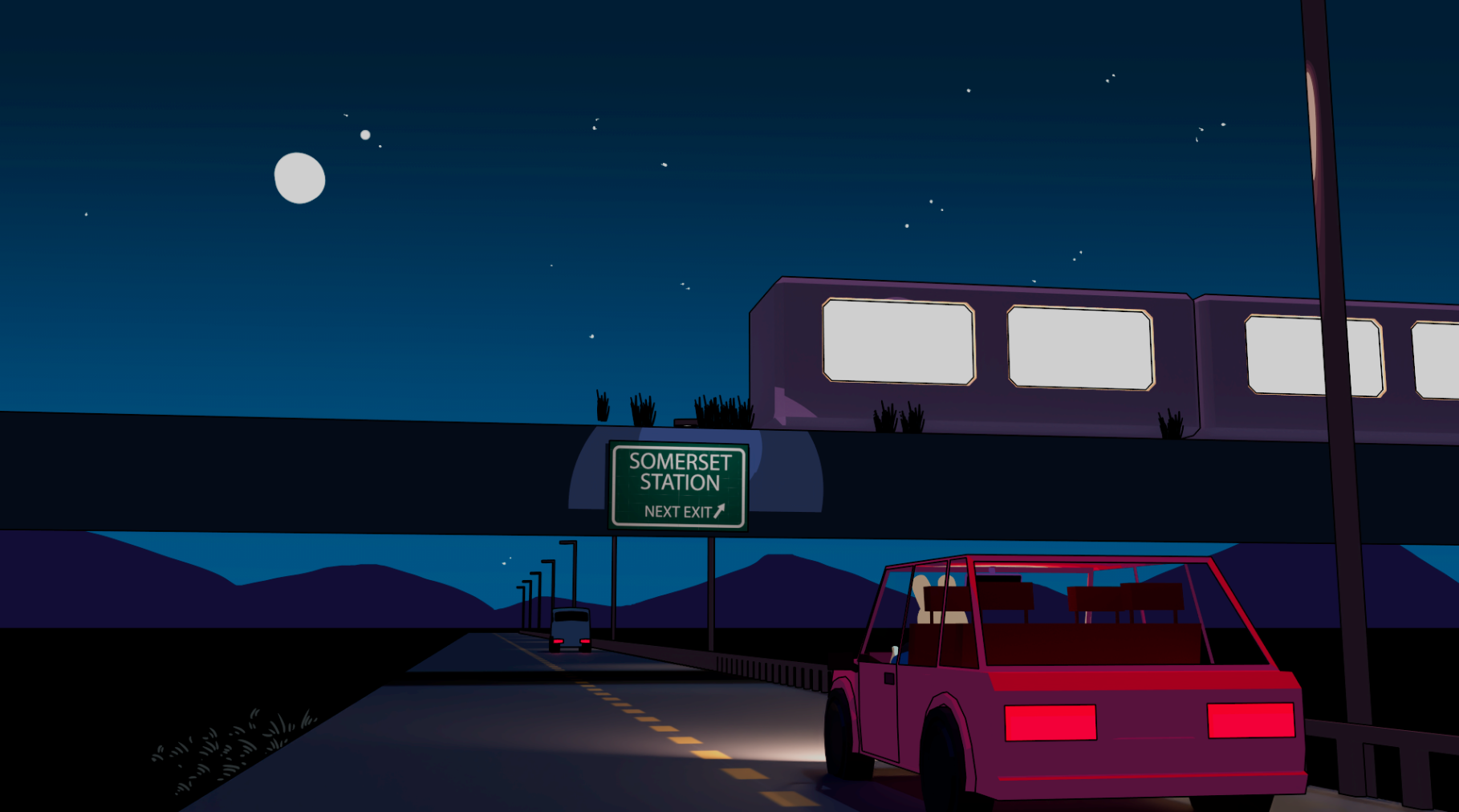
Many different styles of animation were utilized in this video. The first and last scenes were made to highlight character animation and rigging using AutoDesk Maya and Zbrush.
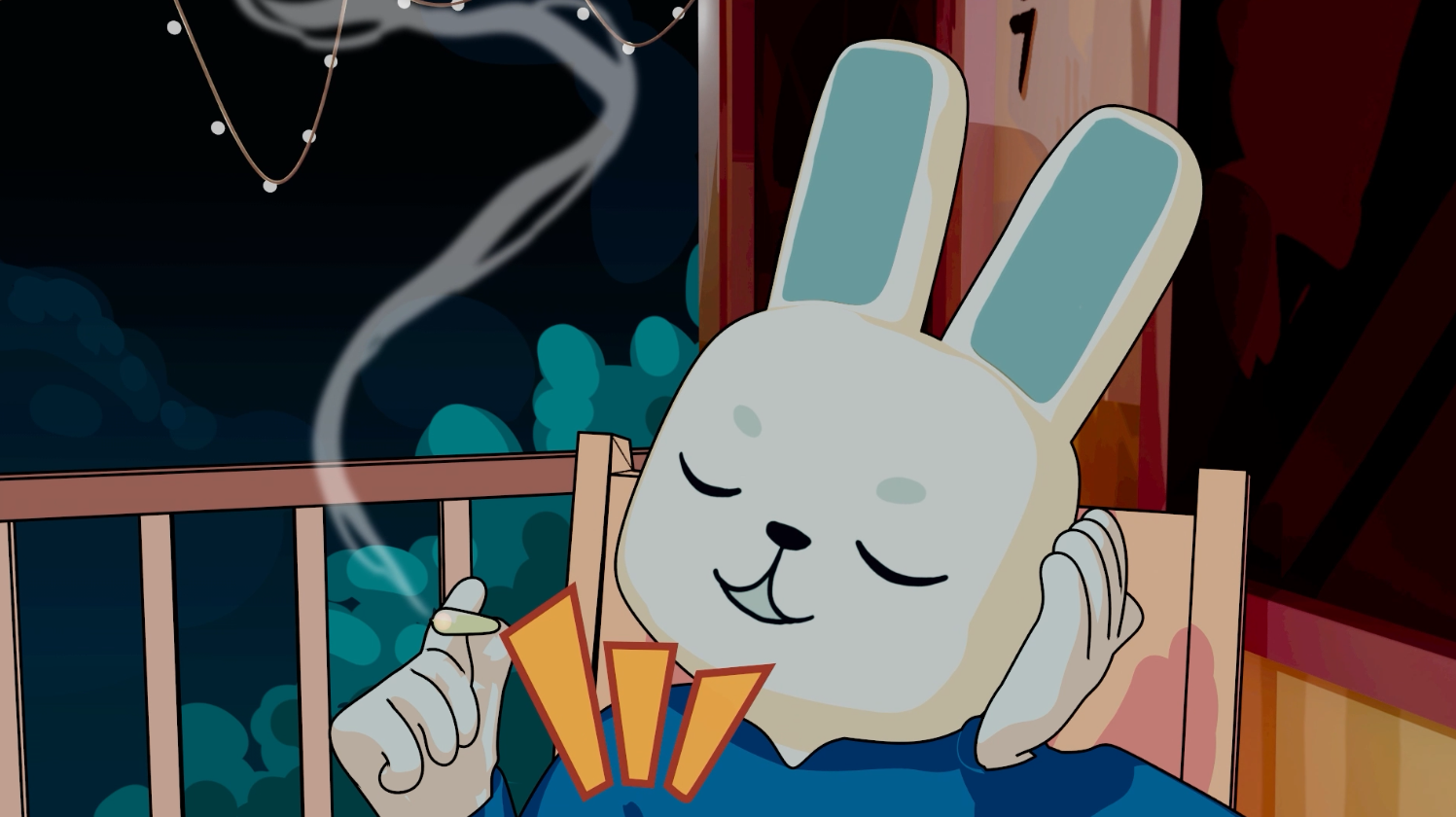
Many different styles of animation were utilized in this video. The first and last scenes were made to highlight character animation and rigging using AutoDesk Maya and Zbrush.
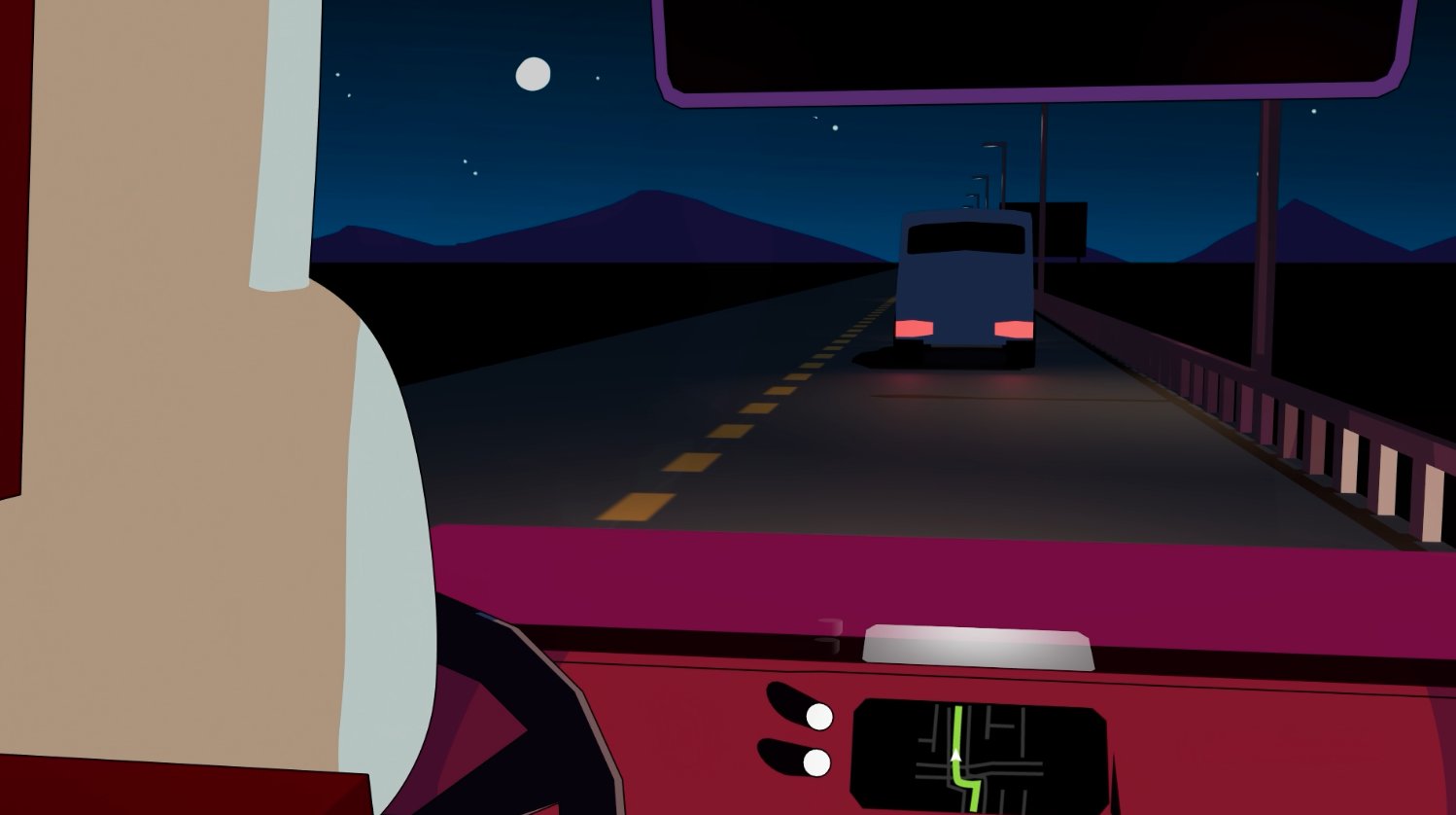
The second scene highlights toon shading and car animation, using different camera angles to showcase the dangers of cannabis and driving.
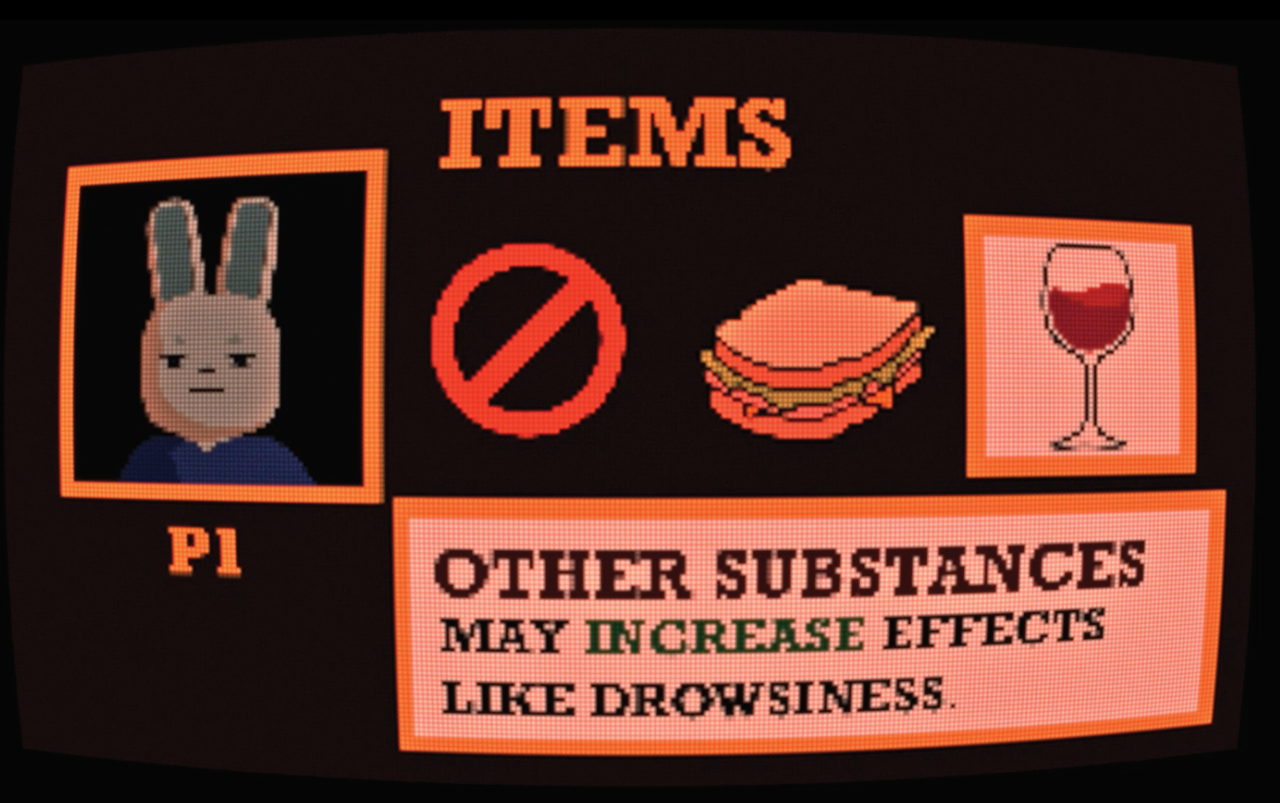
The third scene is done using a 3D/2D animation blend, with many effect layers to mimic a retro video game screen. This scene delivers pharmacological information in an easy to digest manner by making a metaphor with video game selection screens.
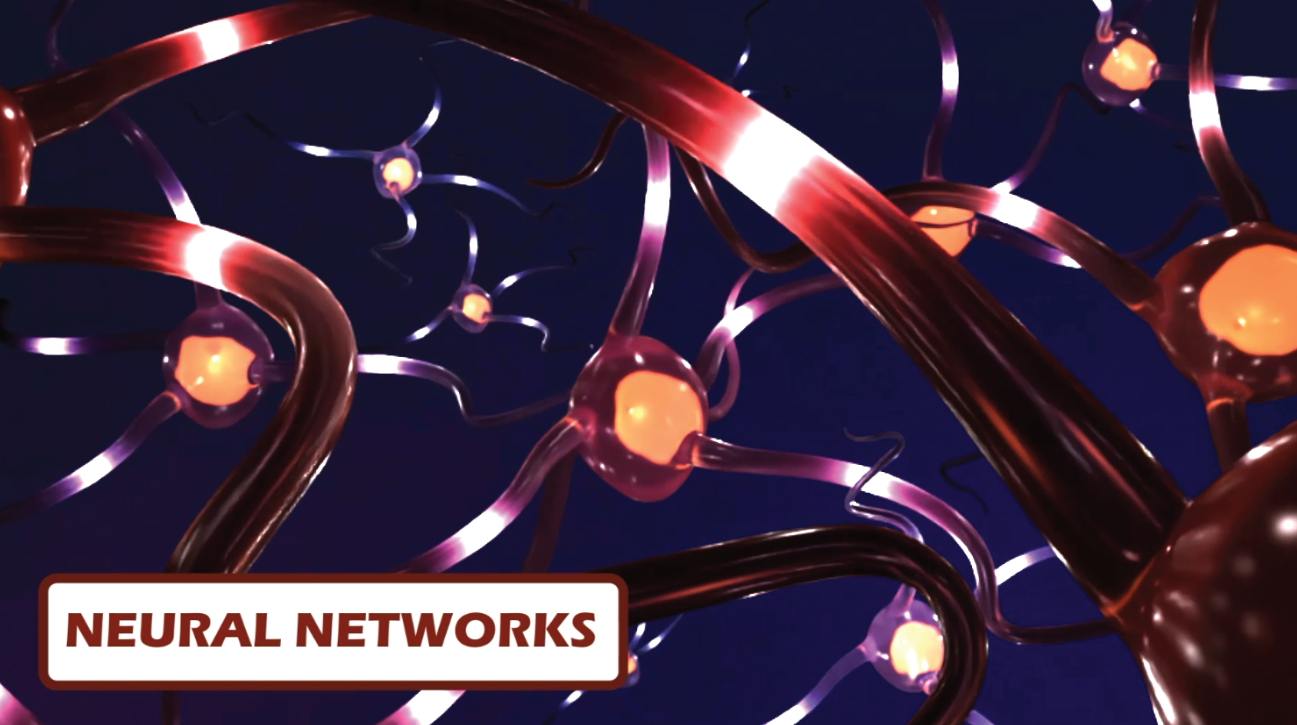
The fourth scene depicts both 2D and 3D molecular animation work. the 3D models are cleaned and extracted from PDB, and animated using Autodesk Maya. The 2D animation work is animated using Adobe After Effects.
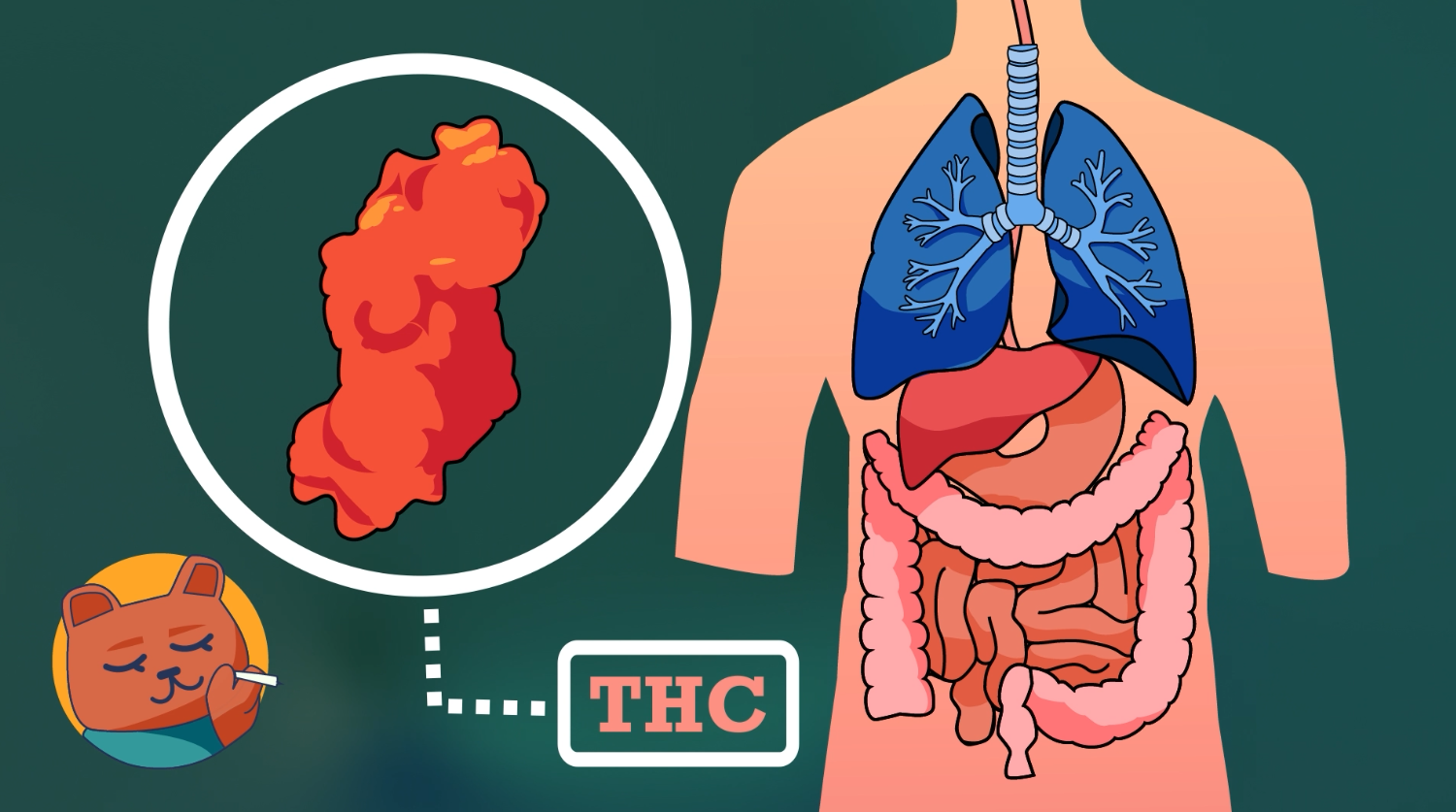
The fourth scene depicts both 2D and 3D molecular animation work. the 3D models are cleaned and extracted from PDB, and animated using Autodesk Maya. The 2D animation work is animated using Adobe After Effects.
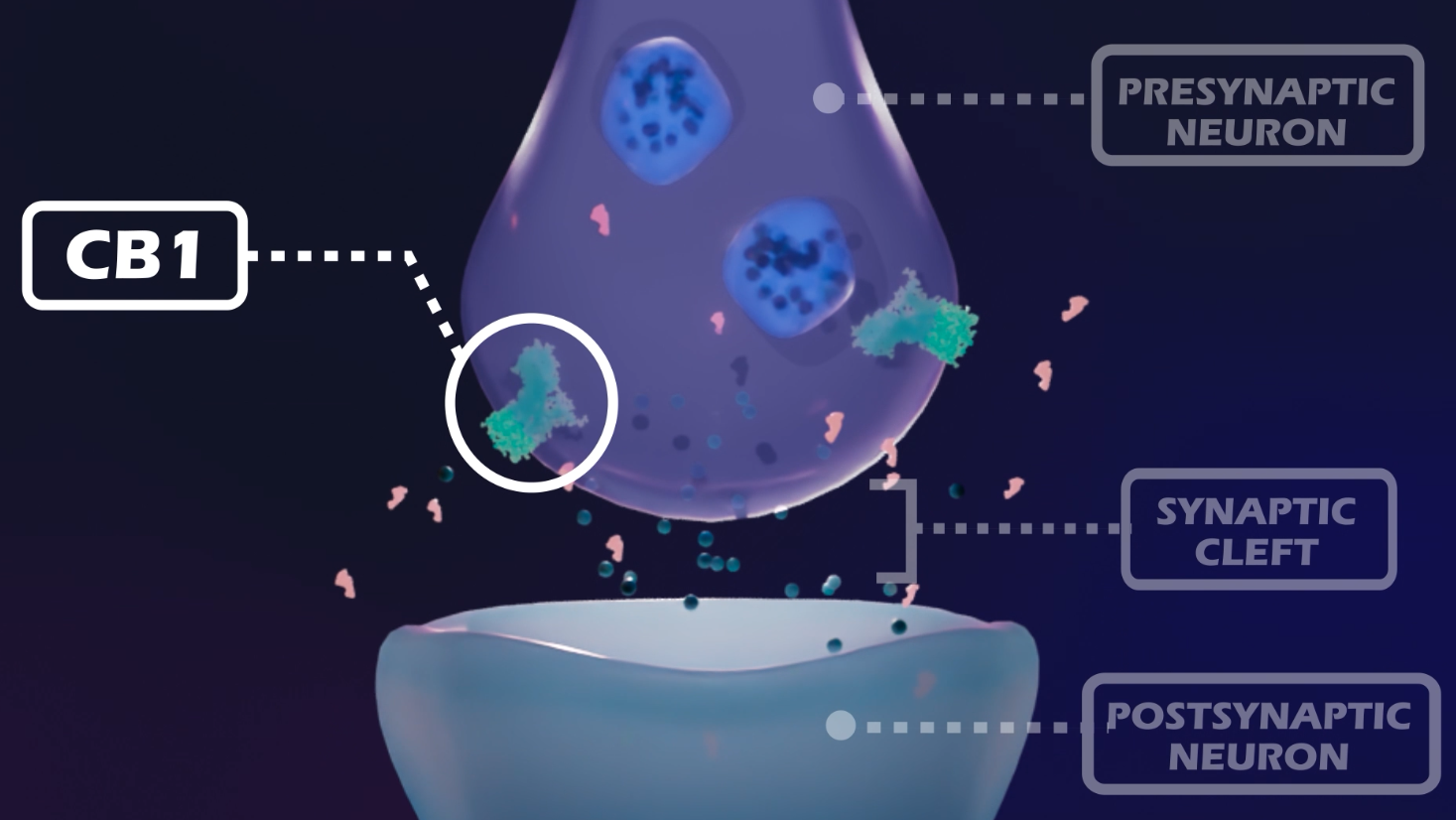
The fourth scene depicts both 2D and 3D molecular animation work. the 3D models are cleaned and extracted from PDB, and animated using Autodesk Maya. The 2D animation work is animated using Adobe After Effects.

The fifth scene features 3D animation of a cannabis packet, using screentones to mimic a comic book like texture.